


Arakan State at a Crossroads: Conflict, Civilian Suffering, and an Uncertain Future.
By Ali Jinnah Hussin 03.July .2026
The humanitarian and security situation in Arakan (Rakhine) State remains deeply concerning as armed conflict continues between the Myanmar military (Tatmadaw) and the Arakan Army (AA). Despite the AA's significant territorial gains over the past two years, the conflict continues, with civilians paying the highest price.

Recent reports indicate intensified airstrikes by the Myanmar military on areas around Maungdaw and other parts of northern Arakan. Residents have reported repeated explosions, while humanitarian access remains severely restricted.
A Humanitarian Crisis Deepens
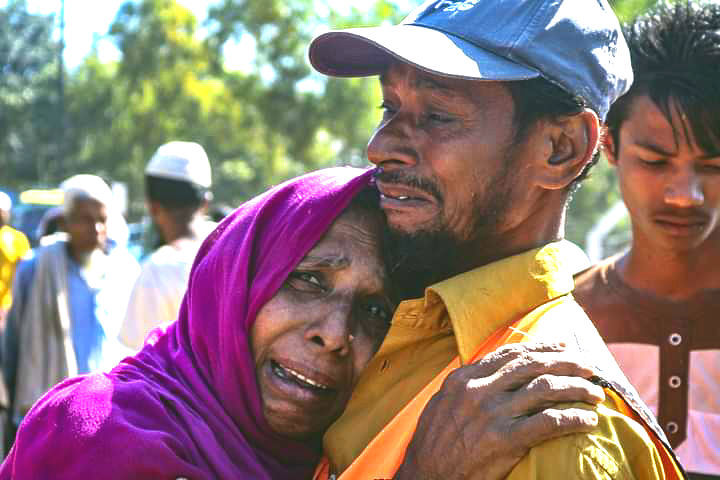
Thousands of civilians remain trapped between the two armed forces. Families have been displaced multiple times, while shortages of food, medicine, clean water, and essential services continue to worsen. Rohingya communities remain particularly vulnerable, facing insecurity, restrictions on movement, and uncertainty about their future
Changing Control on the Ground
The Arakan Army now administers much of Arakan State, while the Myanmar military continues to launch air operations against contested areas. Although the balance of power has shifted on the battlefield, lasting peace remains elusive as military operations continue to endanger civilian lives.

Voices Calling for Peace
Rohingya activists and community leaders continue to advocate for peace, justice, and equal rights for all communities in Arakan.
Ro Maung Hla Myint( Arafat) Founder & Executive Director, a Rohingya activist, Photojournalist, humanitarian worker has consistently emphasized that lasting peace in Arakan cannot be achieved without justice, equal rights, and the safe, voluntary, and dignified return of displaced Rohingya to their homeland.
Humanitarian advocate Md. Jubair has repeatedly called on all parties to prioritize the protection of civilians and ensure unrestricted humanitarian access to communities affected by the conflict.
Md. Ahtaram has stressed the importance of safeguarding human dignity, promoting peaceful coexistence, and ensuring that every community in Arakan can live free from fear and violence.

A Shared Future
The people of Arakan Rohingya, Rakhine, Mro, Khami, Hindu, and other ethnic communities have endured years of war, displacement, and suffering. Every airstrike and every act of violence deepens the humanitarian crisis.
A sustainable future will require accountability, respect for international humanitarian law, equal rights, and meaningful dialogue involving all communities. Peace cannot be built through military victories alone; it must be built on justice, incl
usion, and the protection of civilians.
As the conflict continues, the voices of survivors, activists, and humanitarian workers serve as a reminder that the people of Arakan seek not endless war, but a future where every person can live in safety, dignity, and peace.


Comments